
Volvo 343 DL 1.4
This Dutch-built Volvo used a front engine and a belt-driven gearbox beside the rear axle.
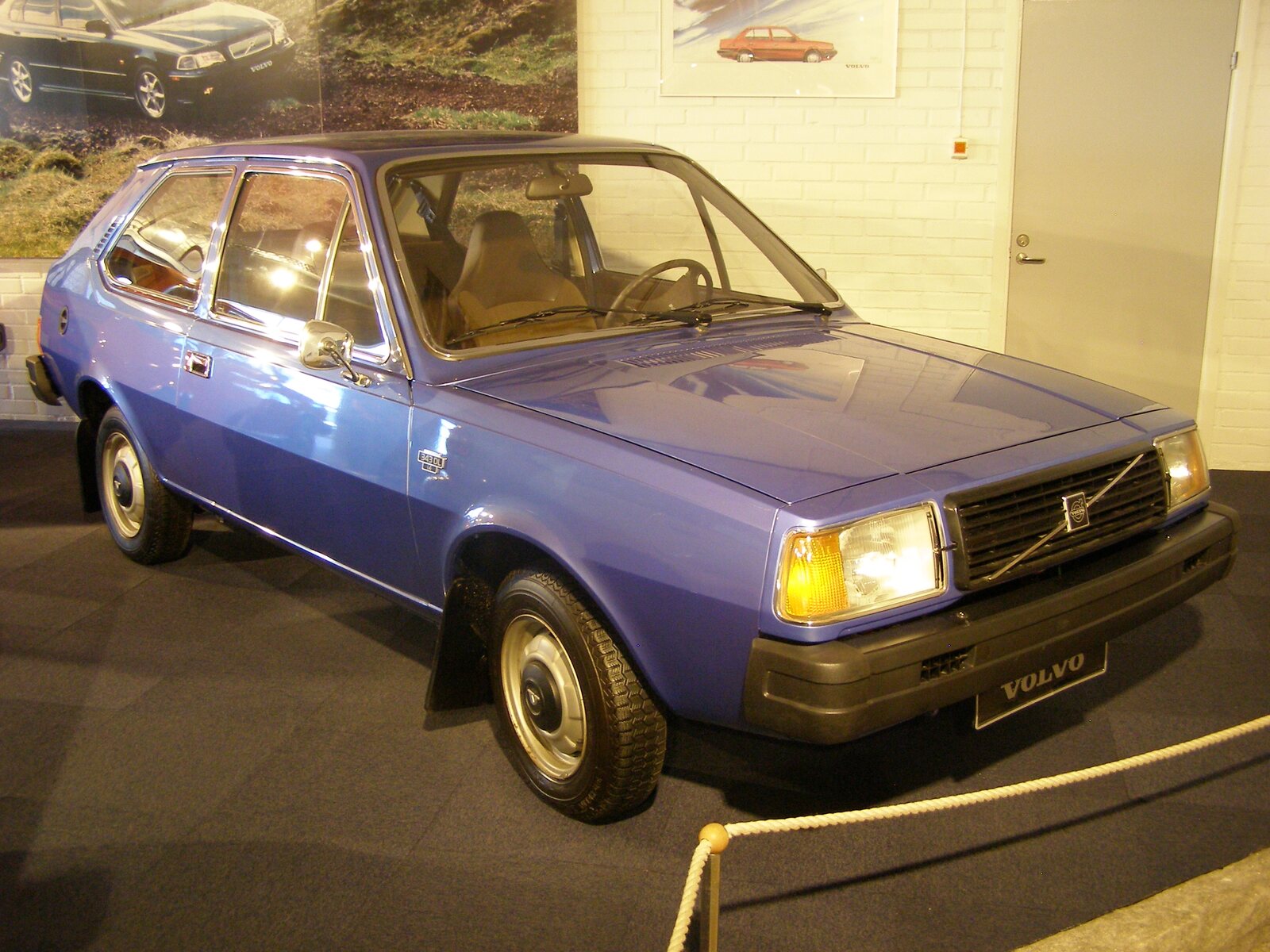
Volvo 343 DL museum car · Andrzej Otrębski · CC BY-SA 3.0
Research pending
A matching completed auction sale has not been verified for this exact year, body, trim, engine, transmission and market.
Joyride shows this gap instead of substituting an asking price, unsold bid or mismatched special vehicle.
More than a set of wheels.
Presented in winter 1976, the 343 was the first wholly new car from Dutch Volvo Car BV and took Volvo into Europe's compact segment. Its roots lay in DAF, which explains the unusual rear-mounted continuously variable transmission. At launch the sole mechanical choice was a 1.4-litre engine with CVT; the rear transaxle helped distribute weight more evenly.
Look a little closer.
The 343 carried DAF thinking into Volvo showrooms with its belt-driven continuously variable transmission.
Photos show an example of the model or generation. The pictured vehicle’s year, equipment, or modifications can differ from the specification described here.
A Dutch Volvo with DAF logic
The 343 was sold as a Volvo, but its architecture preserved DAF thinking: a compact front engine, a rear transaxle and belt-driven CVT. Volvo's takeover turned that Dutch project into the brand's entry into a smaller European class, making the car a genuine bridge between two manufacturers.
Source: Volvo Cars Netherlands · legacy 343 ↗Why put the gearbox at the back?
Moving the gearbox away from the engine spreads heavy components between the two axles. That can balance the car better than piling engine and gearbox together at the nose. In the 343, the solution also suited the CVT and the De Dion rear axle, even though it made the driveline unusual for a small hatchback.
Source: Volvo Cars Netherlands · legacy 343 ↗Where these facts come from
- www.volvocars.com
- www.media.volvocars.com
- historicdb.fia.com
- www.automobile-catalog.com
- www.volvoclub.org.uk
Selected facts checked for this edition. Some source pages link to broader model families. Last reviewed October 4, 2026.