
George S. Patton
1938 Cadillac Model 75 staff car
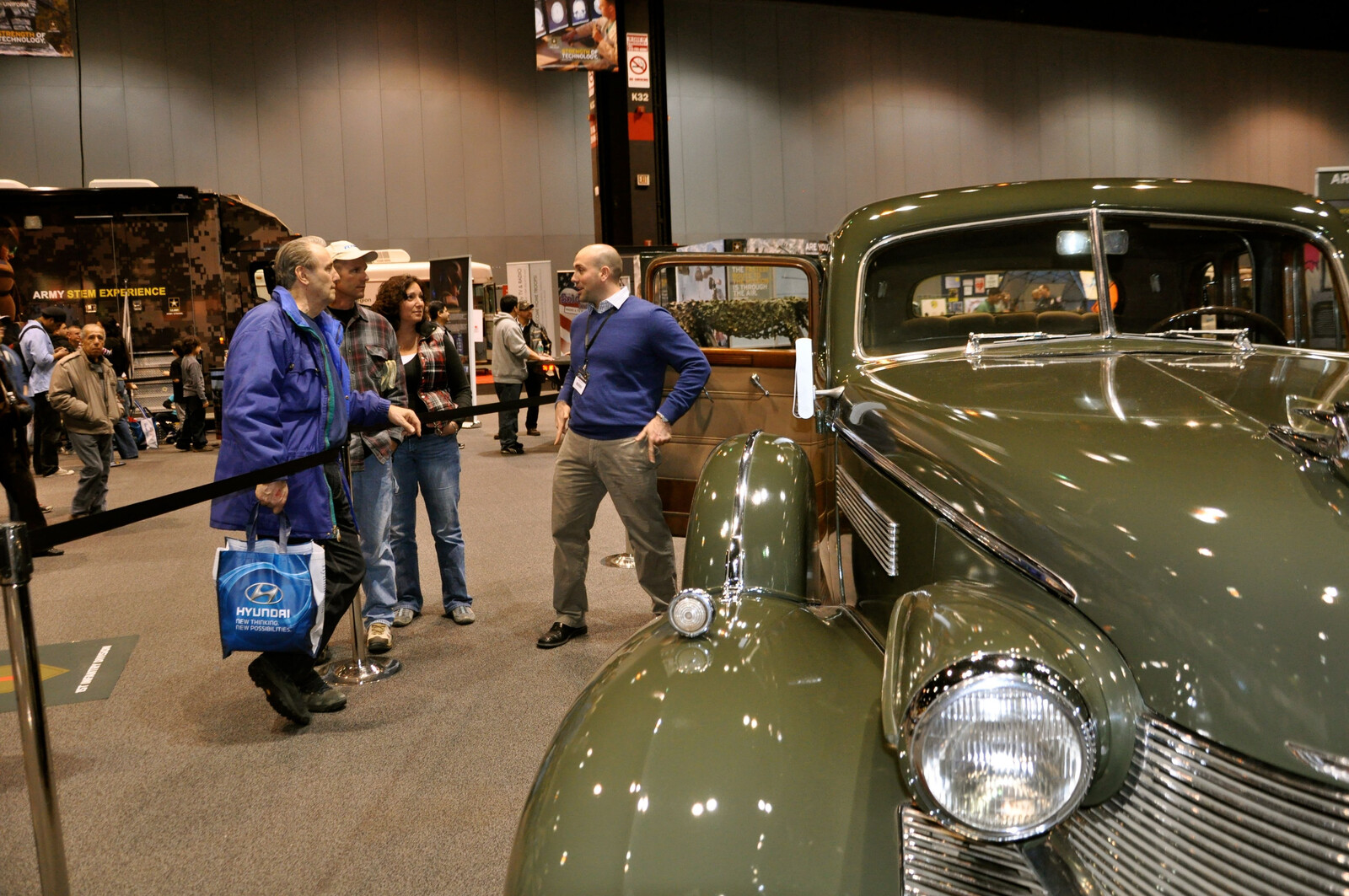
Photo details
Joyride preserves the 4,288 × 2,848 DVIDS original byte-for-byte. The public 1,600 × 1,063 derivative applies orientation, removes embedded metadata, resizes proportionally and uses JPEG quality 90 without crop, retouching, generated content or vehicle reconstruction.
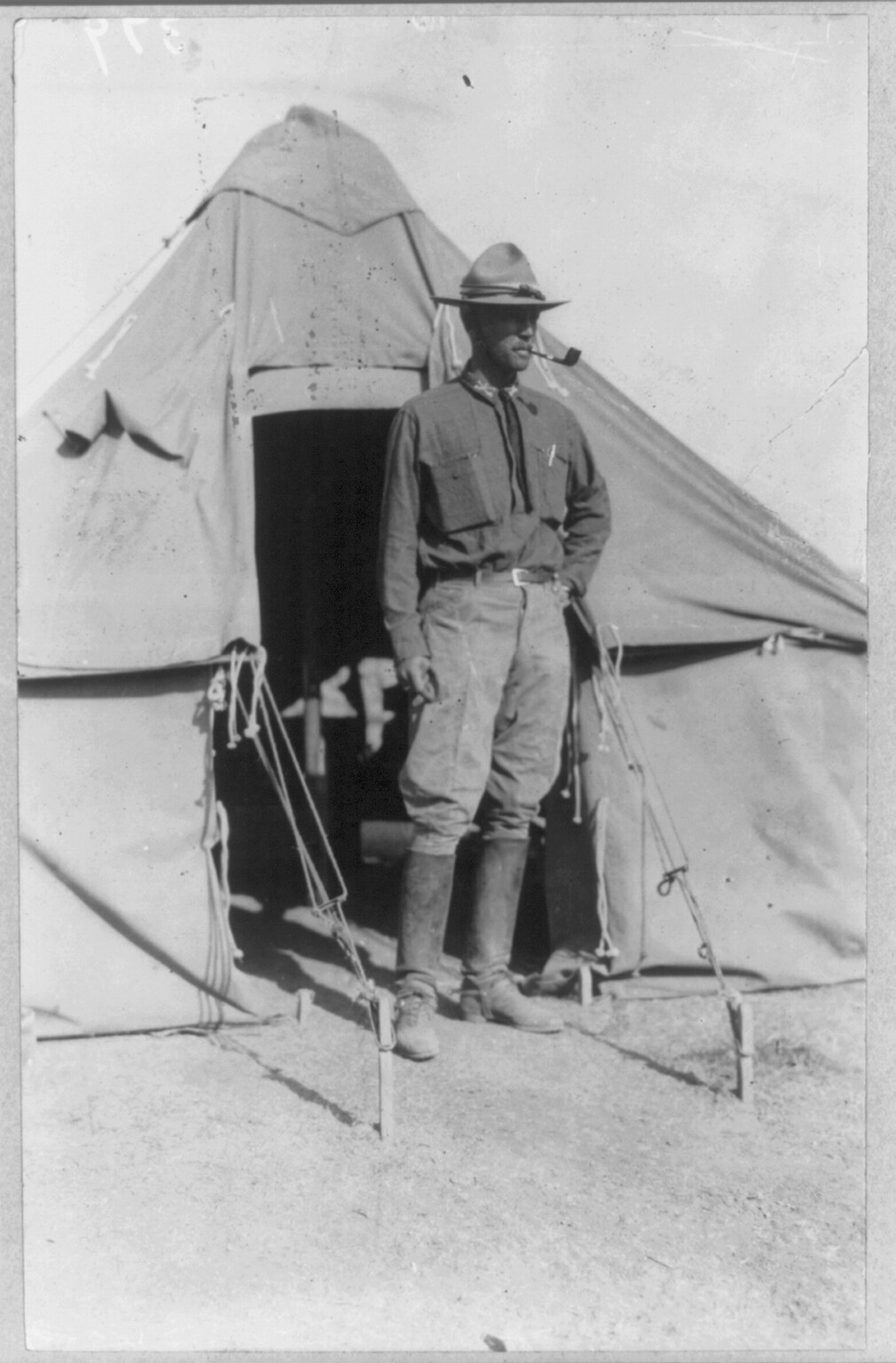
Photo details
Joyride preserves the Library of Congress 1,010 × 1,536 TIFF master byte-for-byte. The served 1,010 × 1,536 JPEG applies orientation, removes embedded metadata and uses quality 90 without crop, resize, retouching, generation or reconstruction. This identification portrait remains separate from the 2012 photograph of the actual Cadillac.
The Army Cadillac that carried Patton on his final journey
- Connection
- Official military staff-car passenger association · not personal ownership
- When
- U.S. Army staff-car service · documented accident on December 9, 1945
- Identity
- Surviving 1938 Cadillac Model 75 U.S. Army staff car · DVIDS photo ID 529043 / VIRIN 120213-A-8214C-047 · repaired with a 1939-model front end after the 1945 accident
The U.S. Army identifies the surviving olive-drab car as the series 1938 Cadillac in which Gen. George S. Patton was riding on December 9, 1945. At approximately 11:45 a.m. near Mannheim, Germany, the staff car collided at low speed with a U.S. Army truck. The other occupants sustained minor injuries; Patton suffered a spinal-cord injury and died twelve days later, on December 21.
The relationship is official use, not ownership. The Army describes it as a staff car and the museum’s vehicle; no reviewed primary record says Patton bought, titled or personally owned it. The George Patton Museum acquired the car in 1951, according to the Army’s 2012 Chicago Auto Show account. That dated museum record does not by itself establish its precise current display location in 2026.
The survivor is not presented as untouched accident condition. Army reporting says Cadillac-France replaced its damaged front end with a 1939-model assembly and that a locally made grille was fitted because an original was unavailable. The interior was described as original to the 1938 model in the 2012 DVIDS record. Joyride keeps those preservation boundaries visible and does not infer a chassis number, complete restoration history or game-ready mechanical specification.
Where the car went next
- December 9, 1945The Mannheim collision
Patton was a passenger when the Army’s 1938 Cadillac staff car collided at low speed with an Army truck; he suffered the injury that led to his death twelve days later.
- After December 1945A repaired survivor
Army records say Cadillac-France replaced the damaged front end with a 1939-model assembly and a locally made grille.
- 1951Museum acquisition
The Army’s 2012 account says the George Patton Museum acquired the individual staff car in 1951.
- February 13, 2012Documented Chicago display
Capt. Olivia Cobiskey-Haftmann photographed the actual car at the Chicago Auto Show; DVIDS published the image as public-domain U.S. Army work.
Sources for this story
U.S. Army reporting and DVIDS establish the individual 1938 Cadillac staff car, Patton’s passenger association, the December 9 collision, his death twelve days later, the later front-end repair, 1951 museum acquisition and a dated 2012 display. No personal ownership, chassis number, untouched 1938 or post-crash condition, complete restoration chronology, precise current-2026 display location, exact Joyride catalog match or compatible game specification is claimed.
- Army highlights best of past, present, future at Chicago Auto Show exhibitU.S. Army · 2012-02-10 · external source
1938 Cadillac staff-car identity, Patton’s back-seat passenger association, the December 9 collision and the museum’s 1951 acquisition.
- Tales of Gen. George S. Patton · photo 529043Defense Visual Information Distribution Service · photographed 2012-02-13 · posted 2012-02-21 · external source
Exact 4,288 × 2,848 public-domain U.S. Army photograph, DVIDS photo ID 529043, VIRIN 120213-A-8214C-047, Capt. Olivia Cobiskey-Haftmann credit, original-1938 interior statement and individual-car accident association.
- 1938 Cadillac Model 75 · photo 529053Defense Visual Information Distribution Service · photographed 2012-02-13 · posted 2012-02-21 · external source
Model 75 identity, post-accident 1939-model front-end replacement by Cadillac-France and locally made grille parts.
- The 80th Anniversary of Gen. Patton’s final battleU.S. Army · 2025-12-15 · external source
Approximately 11:45 a.m. December 9, 1945 low-speed collision with an Army truck, Patton’s spinal-cord injury and death twelve days later; the article labels the Cadillac image as the series 1938 car.
Reviewed
Why this is the actual car
- Photo identity evidence
DVIDS identifies photo 529043 as the series 1938 Cadillac in which Patton was riding when fatally injured and marks Capt. Olivia Cobiskey-Haftmann’s U.S. Army image public domain.
- Photo identity evidence
The Army’s contemporary Chicago Auto Show report identifies the individual 1938 staff car, Patton’s back-seat passenger association and its 1951 museum acquisition.
- Photo identity evidence
DVIDS identifies the 1938 Model 75 and records its Cadillac-France 1939-model replacement front end and locally made grille parts.
The matching photographer, venue, date and vehicle history establish the identification; the chassis stamp is not visible in these photographs.