
Renault 16 Grand Luxe
Renault mixed the comfort of a large saloon with a huge top-hinged rear door and a cabin that could rearrange itself for people or cargo.
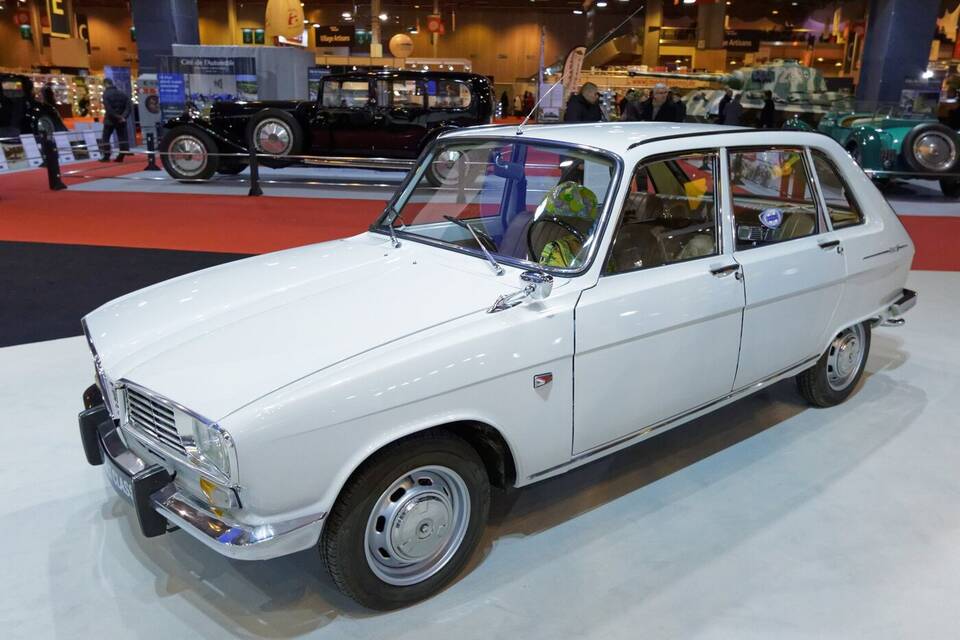
1965 Renault 16 Grand Luxe · Thesupermat · CC BY-SA 4.0
Research pending
A matching completed auction sale has not been verified for this exact year, body, trim, engine, transmission and market.
Joyride shows this gap instead of substituting an asking price, unsold bid or mismatched special vehicle.
More than a set of wheels.
Renault showed the 16 at the 1965 Geneva Motor Show and put it on sale that spring. Instead of the separate boot expected on an upmarket family car, the 16 had a sloping tailgate and movable rear seat. The idea won the 1966 European Car of the Year award and helped make hatchbacks respectable beyond the smallest cars.
Look a little closer.
The rear bench could be arranged in several positions, including a child-cot-like layout in period publicity; today it is best understood as an example of flexible packaging, not modern child-restraint advice.
Photos show an example of the model or generation. The pictured vehicle’s year, equipment, or modifications can differ from the specification described here.
A fifth door changes the meaning of a family car
The Renault 16 was not the first hatchback, but it applied the large tailgate to a comfortable, higher-status five-door car. Renault paired the door with a rear bench that could slide, fold or be removed, letting one body serve weekday passengers and holiday luggage.
Source: Renault Group · 50 years of family cars since the Renault 16 ↗Unequal wheelbases for a practical reason
Long torsion bars gave the 16 a soft ride without tall coil-spring towers. The two rear bars had to sit one behind the other across the floor, placing one trailing arm slightly farther back. That unusual geometry produced a wheelbase difference of several centimetres from side to side.
Source: Renault Deutschland · Große Klappe, viel dahinter ↗Where these facts come from
- Renault Group · Family cars since the Renault 16
- Renault Group · Fiftieth anniversary for Renault 16
- Renault Deutschland · 110 years of Renault engines
- The Originals Renault Museum · R16 TX history
- Automobile-Catalog · 1965 Renault 16 Grand Luxe cross-check
Selected facts checked for this edition. Some source pages link to broader model families. Last reviewed September 30, 2026.