
Alfa Romeo 156 2.0 Twin Spark
The original Alfa 156 made a family saloon look like a coupe by hiding its rear door handles. Its 2.0 Twin Spark paired a lively 16-valve engine with a chassis designed for sharp steering and confident cornering.
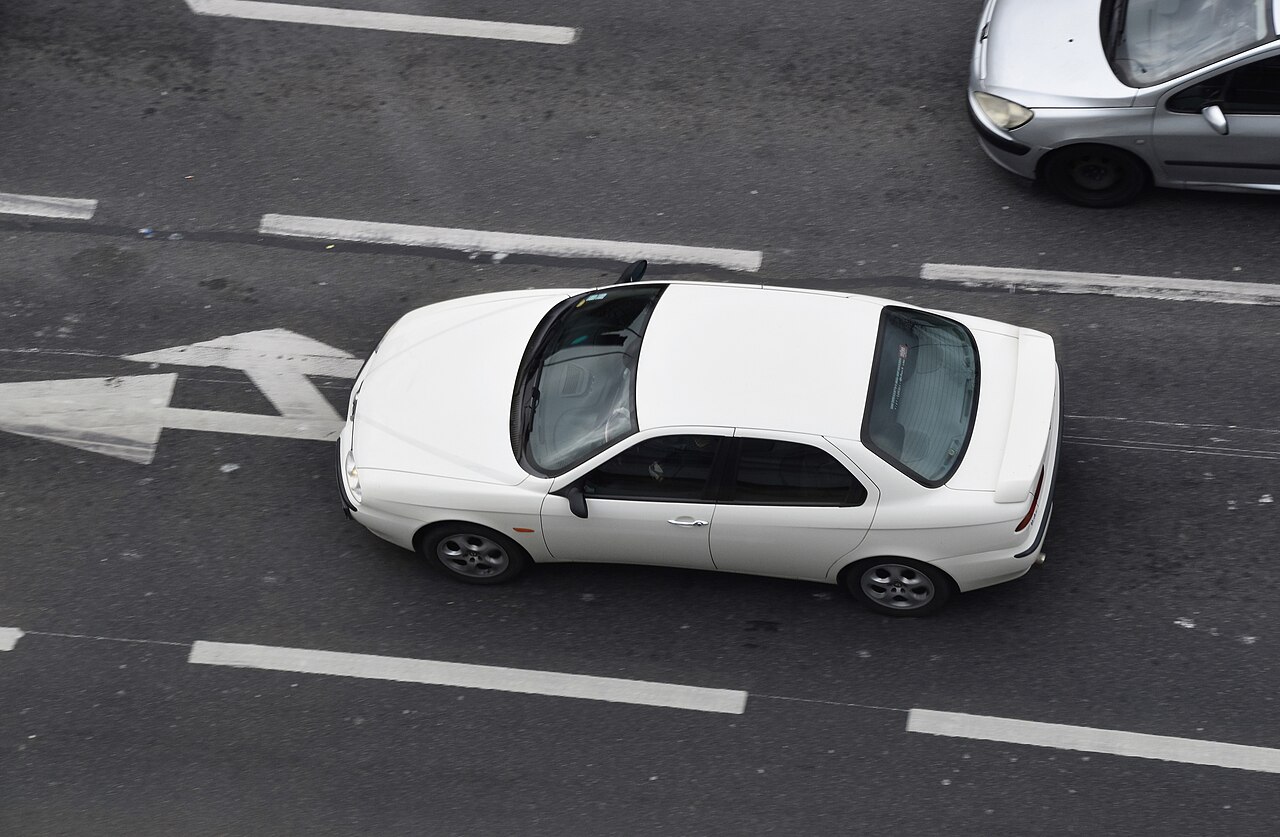
1997 Europe Alfa Romeo 156 2.0 Twin Spark · Charles from Port Chester, New York · CC BY 2.0
Research pending
A matching completed auction sale has not been verified for this exact year, body, trim, engine, transmission and market.
Joyride shows this gap instead of substituting an asking price, unsold bid or mismatched special vehicle.
More than a set of wheels.
Alfa Romeo presented the 156 at the 1997 Frankfurt Motor Show as a six-version European range. The 2.0 Twin Spark was the strongest of the three four-cylinder petrol choices, beneath the 2.5 V6. Alfa combined distinctive Italian styling with double-wishbone front suspension, an independent rear layout and a driver-focused cabin.
Look a little closer.
The rear doors are real, but their black handles hide beside the rear side windows, helping the four-door 156 look like a two-door coupe.
Photos show an example of the model or generation. The pictured vehicle’s year, equipment, or modifications can differ from the specification described here.
An engine that changes how it breathes
The 2.0 Twin Spark used a variable-geometry intake made from glass-fibre-enriched nylon. By changing the air path with engine speed, it could support stronger response in both town driving and faster running. Alfa also fitted two counter-rotating balancer shafts to reduce the four-cylinder's vibration.
Source: Alfa Romeo — 156 at the 57th Frankfurt Motor Show ↗Why the front suspension was unusual
Instead of a simple front strut layout, Alfa used double wishbones to keep the tires planted as the body moved and the car steered. The independent rear suspension used an aluminum cross-member. Together with a very direct steering ratio, this made handling a central part of the 156's identity rather than an afterthought.
Source: Alfa Romeo — 156: Reinvention of the sports saloon ↗Where these facts come from
Selected facts checked for this edition. Some source pages link to broader model families. Last reviewed October 2, 2026.