
Austin Maestro 1.6 HLS
Austin aimed its roomy new five-door at the Golf and Escort, pairing an all-new 1.6 engine with a bought-in Volkswagen five-speed gearbox.
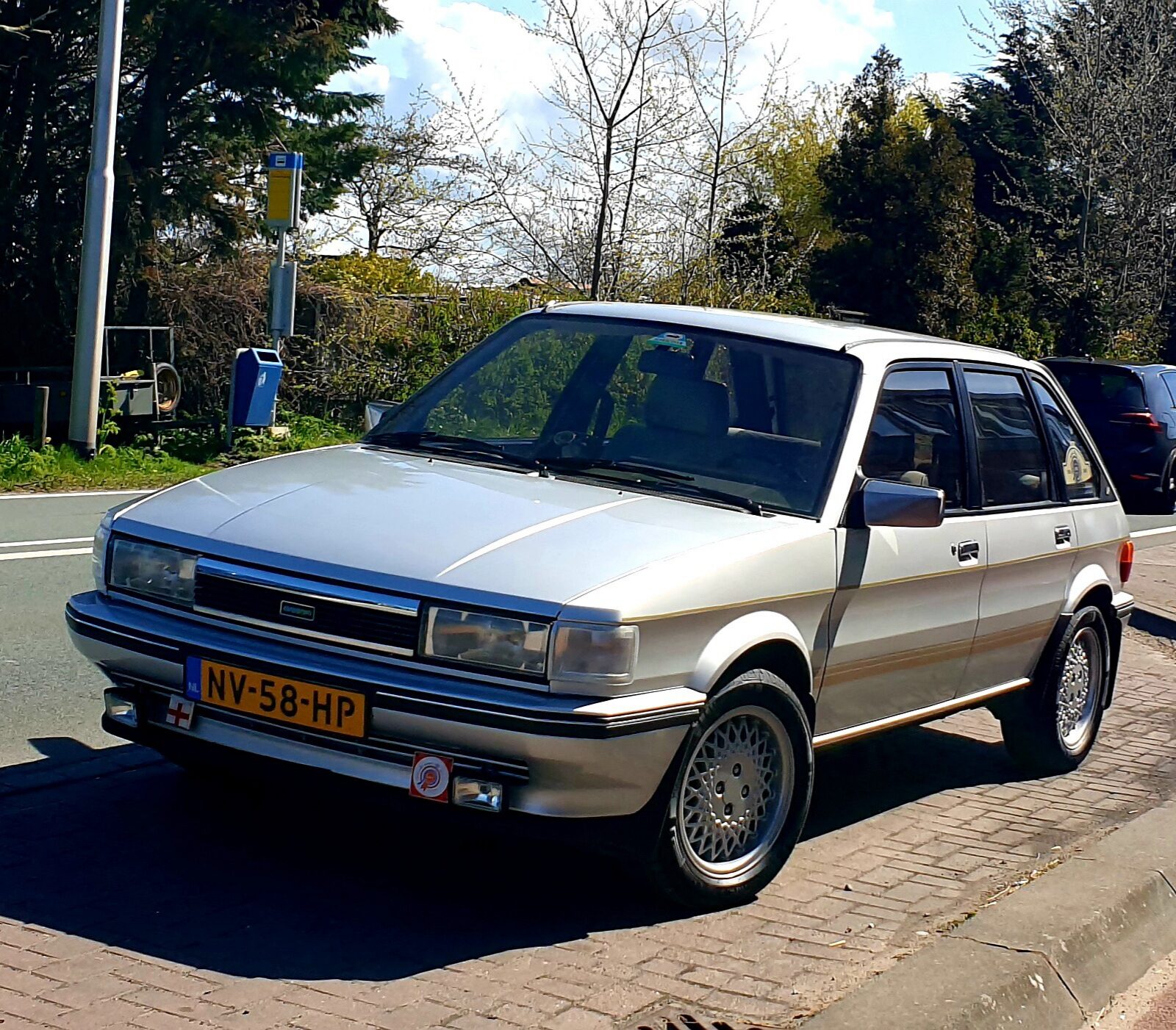
1983 Britain Austin Maestro 1.6 HLS · Vandenplas216 · CC BY-SA 4.0
Research pending
A matching completed auction sale has not been verified for this exact year, body, trim, engine, transmission and market.
Joyride shows this gap instead of substituting an asking price, unsold bid or mismatched special vehicle.
More than a set of wheels.
British Leyland developed the Maestro as part of a fresh model plan after its financial troubles of the 1970s. The LC10 programme eventually produced both Maestro and Montego underpinnings, and the Maestro launched in March 1983 to replace the Allegro, Maxi and Ital in the showroom. HLS sat above the ordinary 1.6 L, using the new R-Series overhead-cam engine and a five-speed gearbox with a long cruising gear. It offered family space and comfort without the MG model's louder sporting tune.
Look a little closer.
A 1983 road test found the car could nearly match its 163 km/h official maximum in fourth gear, while the very tall fifth was better suited to relaxed cruising than chasing top speed.
Photos show an example of the model or generation. The pictured vehicle’s year, equipment, or modifications can differ from the specification described here.
A new engine, but a gearbox partnership
Austin Rover designed the compact R-Series 1.6 with a long 87.6 mm stroke and overhead camshaft. Rather than fund another new transmission, it used Volkswagen transaxles; the HLS received the five-speed version with an overdriven top gear. That saved development cost but made fifth especially long for the available power.
Source: Motor Sport archive · Austin Maestro, March 1983 ↗Space was the Maestro's strongest trick
The British Motor Museum describes the Maestro as BL's second recovery model and records a 4,050 mm overall length for its first production car. A period HLS test praised the bright, roomy cabin and split-folding rear seat, while measuring the same basic exterior dimensions. The design spent its centimeters on people rather than a long bonnet.
Source: British Motor Museum · first-of-line Austin Maestro ↗Where these facts come from
- British Motor Museum · Austin Maestro (first of line), 1983
- British Motor Museum · LC10 prototype and Maestro history
- Motor Sport · Austin Maestro, March 1983
- Autopista no. 1265 road test archive · Austin Maestro 1.6 HLS
Selected facts checked for this edition. Some source pages link to broader model families. Last reviewed 2026-10-02.