
Kawasaki Ninja 900R (GPz900R)
The 1984 Ninja 900R joined two names that became inseparable: GPz900R for the machine and Ninja for Kawasaki's new U.S. performance identity. Its compact, water-cooled four-cylinder engine helped form the frame itself, while a full fairing, 16-inch front wheel and six-speed gearbox made it feel like a new generation rather than a warmed-over superbike.
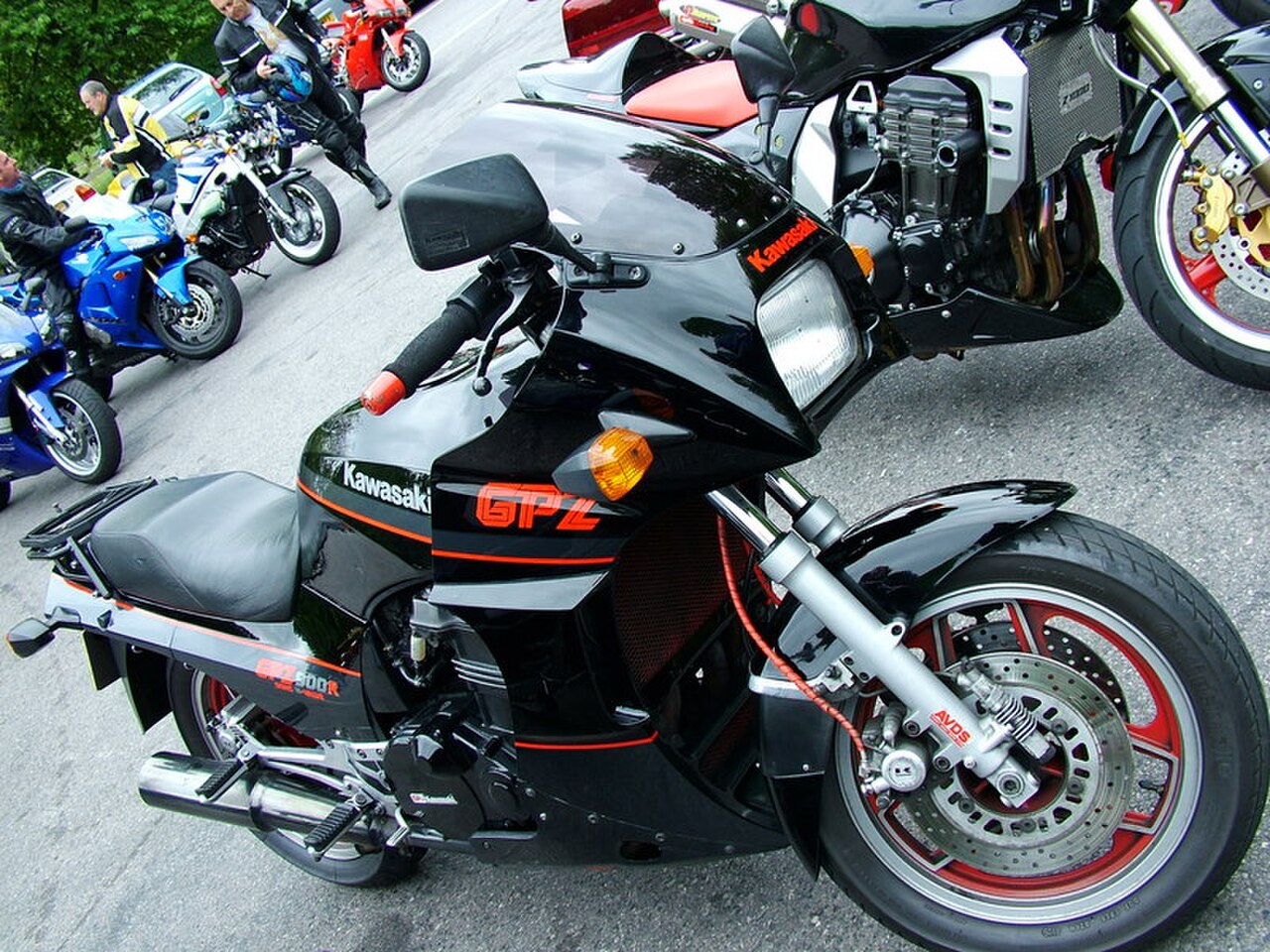
Kawasaki GPZ900R Ninja 01.jpg · Reg Mckenna · CC BY 2.0
What did this one sell for?
Make a guess, then reveal one identity-matched completed auction result. It is a comparison point, not a price promise.
Reveal the auction result
Based on a completed sale at Iconic Motorbike Auctions, an estimated value for this vehicle is $10,800.
Why this sale: Exact 1984 U.S.-market Kawasaki Ninja 900R/GPz900R ZX900-A1 road motorcycle, VIN JKAZX2A14EB500075, with the launch-generation liquid-cooled 16-valve inline-four and six-speed specification; not a later overseas-only GPz900R revision. 8,721 miles shown, three-owner history represented, and no known mechanical issues stated. Recent work included OEM rear pads and brake fluid, oil/filter, spark plugs, coolant-pipe O-rings, coolant and gas cap. A period smoke windscreen was fitted with the original included; cosmetic scratches and seat wear were disclosed. Tires dated 2011 and 2017.
Winning bid; Iconic's displayed $11,556 sold total included a $756 buyer fee. The buyer fee, taxes, title/registration charges and transport are excluded. One auction result is a reference, not an appraisal; condition, history, options, location and market timing can change value. Accepted as an exact launch-year U.S. Ninja identity with only a reversible period windscreen change. Older tires and disclosed cosmetic wear remain visible.
More than a set of wheels.
Kawasaki unveiled the motorcycle to the world press in Monterey, California, on December 7, 1983. The company later remembered it as the first model to wear the Ninja name; contemporary Cycle World testing showed why the label stuck, recording an 11.18-second quarter-mile at 121.65 mph. The engineering mattered as much as the number: water cooling, side-driven camshafts and an internal counterbalancer helped make a powerful inline-four compact enough to sit low in a diamond frame. In the United States it was the Ninja 900R, while GPz900R remained the model name used more broadly.
Look a little closer.
The word “Ninja” was a U.S.-market idea at first. Kawasaki says its American marketing director Mike Vaughan helped choose it, and the name later spread around the world.
Photos show an example of the model or generation. The pictured vehicle’s year, equipment, or modifications can differ from the specification described here.
The engine was also a frame member
Instead of wrapping heavy lower frame tubes underneath the engine, Kawasaki's diamond frame used the engine as a stressed member. Cycle World reported that this saved roughly 11 pounds and let the engine sit lower. The design linked packaging, weight and handling: the power unit did two jobs, making motion and helping hold the motorcycle together.
Source: Doing More With Less — 1984 Kawasaki Ninja 900 ↗One motorcycle, several speed numbers
Kawasaki's anniversary history calls out 151 mph, but Cycle World's 1984 instrumented run recorded 145 mph on half-mile radar. The same magazine measured the quarter-mile at 11.18 seconds and 121.65 mph. Those figures answer different questions, so the profile keeps the test method next to each number instead of presenting one universal top speed.
Source: Kawasaki Celebrates 30 Years of Ninja Performance ↗Where these facts come from
- Kawasaki Celebrates 30 Years of Ninja Performance
- Doing More With Less — 1984 Kawasaki Ninja 900
- Kawasaki GPz900R — Museum of Engines and Mechanisms
- Kawasaki Motorcycle Product History overview
Selected facts checked for this edition. Some source pages link to broader model families. Last reviewed 2026-10-02.