
Renault 14 TL
Renault’s rounded compact hatchback used a transverse engine to make more room for people and luggage.
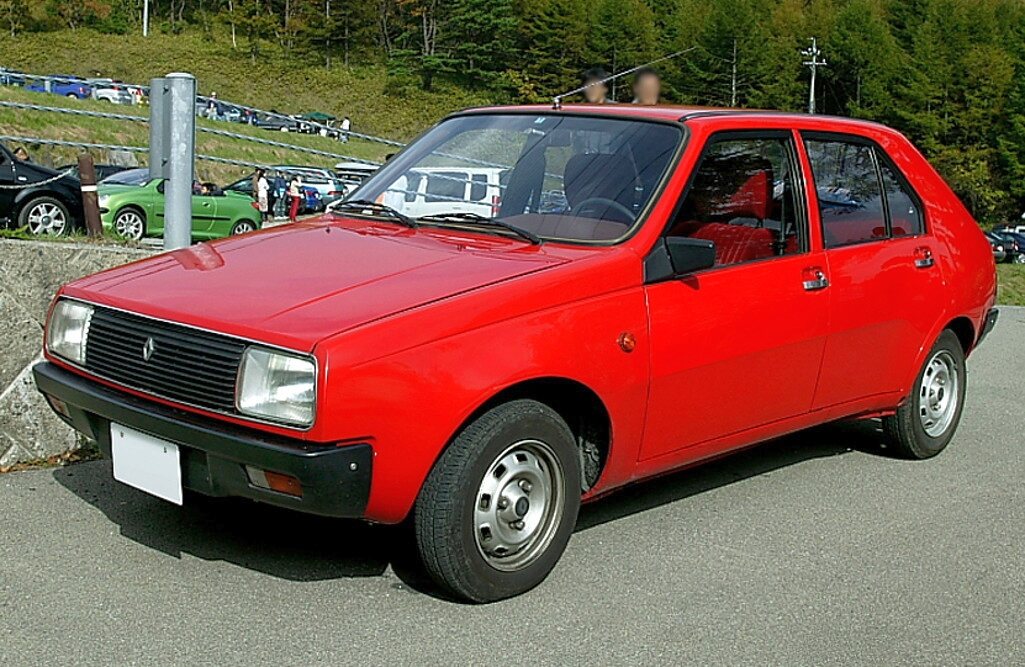
1976 Renault 14 TL · 天然ガス · CC BY-SA 3.0
Research pending
A matching completed auction sale has not been verified for this exact year, body, trim, engine, transmission and market.
Joyride shows this gap instead of substituting an asking price, unsold bid or mismatched special vehicle.
More than a set of wheels.
Introduced in 1976, the Renault 14 filled the compact hatchback gap between the Renault 5 and the larger family cars. Its rounded, space-efficient body was developed with early computer-aided design, while its transverse power unit came from Renault's technical cooperation with Peugeot. Launch buyers could choose L or better-equipped TL versions.
Look a little closer.
Its pear-like shape was famous, but that broad middle also helped make the cabin roomy.
Photos show an example of the model or generation. The pictured vehicle’s year, equipment, or modifications can differ from the specification described here.
Why turning the engine sideways mattered
A transverse engine shortens the mechanical package between the front bumper and the cabin. Renault used that saved length to make a compact car feel unusually roomy. This layout became normal for European family cars, but the 14 was the first Renault passenger car to adopt it.
Source: The Originals Renault Museum · R14 ↗The pear that people remembered
The rounded roof and broad middle suggested a pear, a nickname Renault's own heritage material still acknowledges. The shape was not a joke in engineering terms: it gave useful passenger and luggage volume without making the car long. Advertising made the comparison famous, though it may also have made the styling easier to mock than the clever packaging deserved.
Source: The Originals Renault Museum · R14 ↗Where these facts come from
- The Originals Renault Museum · R14
- Automobile-Catalog · 1976 Renault 14 TL
- 1976 Renault 14 launch brochure record
Selected facts checked for this edition. Some source pages link to broader model families. Last reviewed October 4, 2026.