Andy Warhol
1979 BMW M1 Group 4 Art Car
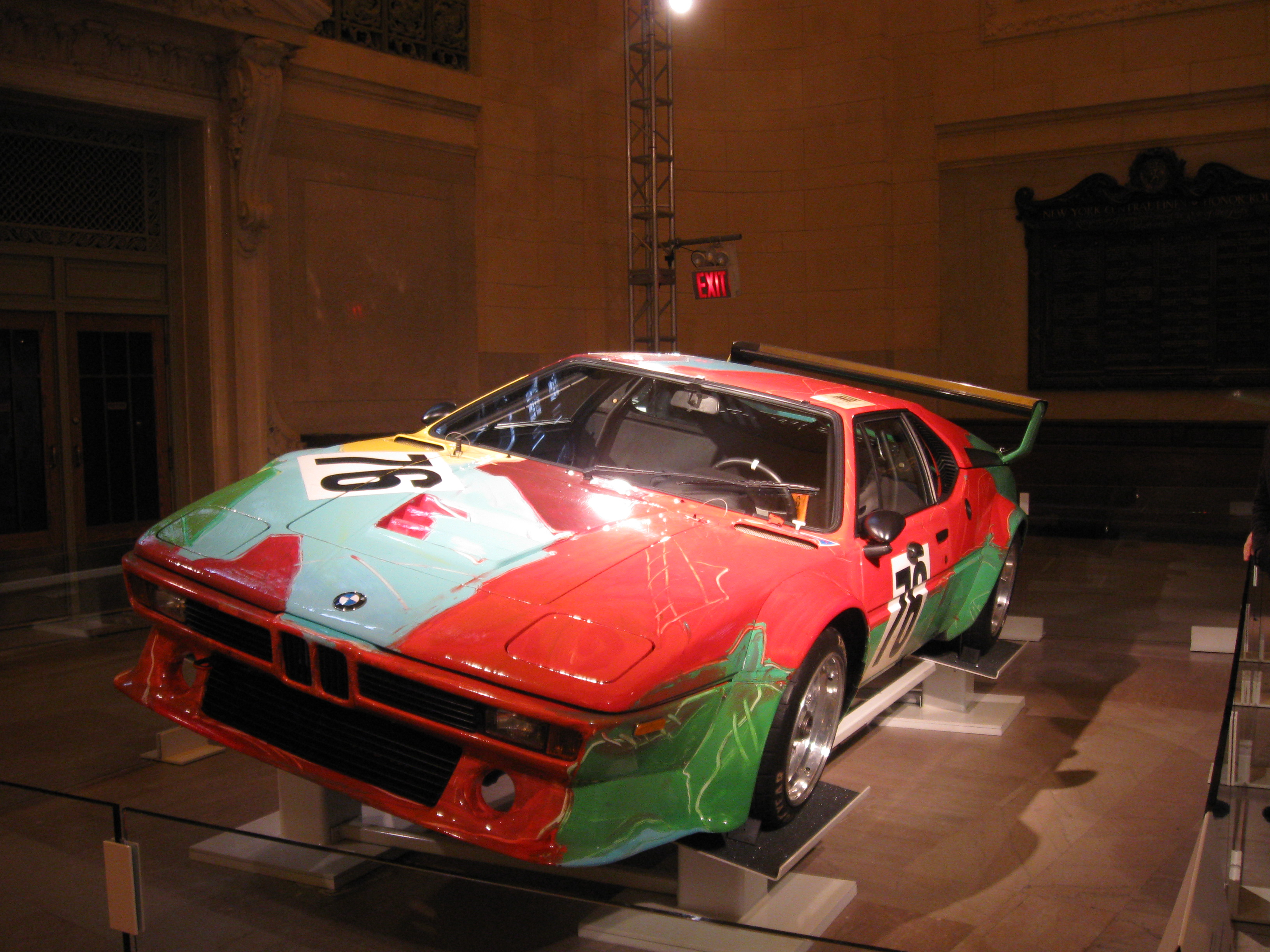
Photo details
Joyride serves the original Commons JPEG byte-for-byte; no crop, recompression, retouching or generation. A responsive frame may crop displayed edges.
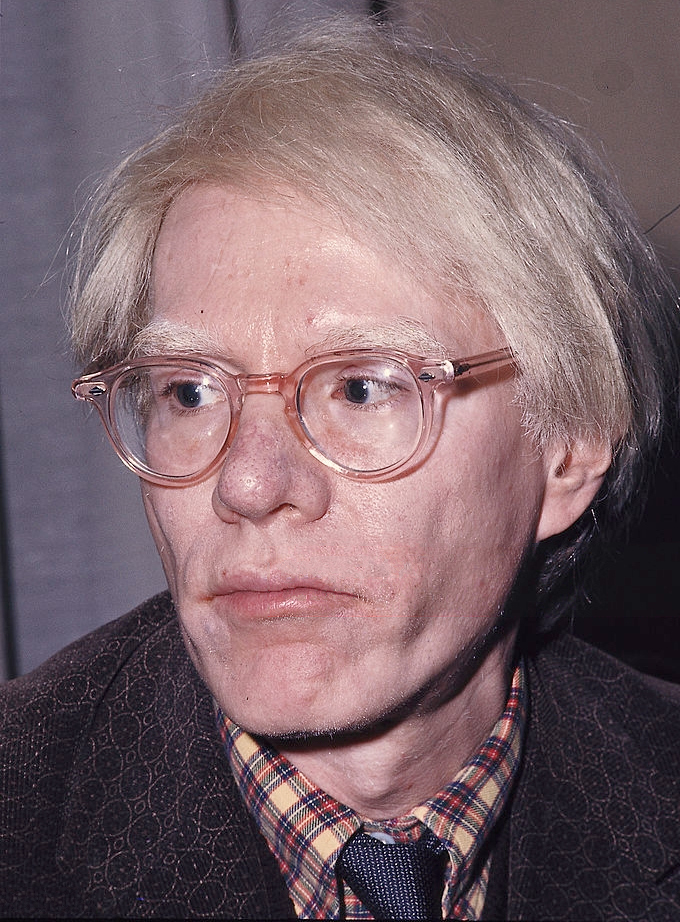
Photo details
Joyride serves the current Commons file byte-for-byte. No additional crop, retouching or generation. A responsive frame may crop displayed edges.
Twenty-eight minutes of paint, twenty-four hours of racing
- Connection
- Artist commission · not ownership
- When
- Painted for BMW · 1979
- Identity
- BMW Art Car no. 4 · M1 Group 4 · race no. 76
BMW commissioned Andy Warhol to create the fourth car in its Art Car series in 1979. Unlike the earlier artists, Warhol painted directly onto the BMW M1 Group 4 body rather than supplying a design for assistants to transfer. The Automobile Club de l’Ouest records that he completed the painting in 28 minutes.
This is an artist association, not a personal-ownership claim. The finished no. 76 M1 raced at the 1979 24 Hours of Le Mans with Hervé Poulain, Marcel Mignot and Manfred Winkelhock, finishing sixth overall. The photographed car carries that exact livery and race number; it is not a road-going M1 painted to resemble the Art Car.
Sources for this story
BMW documents its commission and the M1 Group 4 identity. The 24 Hours of Le Mans organizer documents race number 76, the drivers and the sixth-place result. Neither source says Warhol owned the car.
- Rolling Sculptures: BMW brings Andy Warhol’s Art Car to IndiaBMW Group · 2020-01-30 · external source
BMW’s commission, fourth Art Car position, 1979 date, M1 Group 4 identity, direct painting and Le Mans purpose.
- BMW Art Cars at the 24 Hours of Le Mans — BMW M1 by Andy Warhol24 Hours of Le Mans · Automobile Club de l’Ouest · 2026-01-16 · external source
Race number 76, drivers, direct 28-minute painting and sixth-place overall finish.
Reviewed
Why this is the actual car
- Photo identity evidence
BMW identifies the fourth Art Car as the 1979 M1 Group 4 that Warhol painted for Le Mans.
- Photo identity evidence
The race organizer identifies the Warhol-painted M1 as no. 76 and records its 1979 Le Mans drivers and result.
- Photo identity evidence
The photographer identifies the subject as the Andy Warhol BMW M1; Commons classifies the file with the individual 1979 Le Mans car no. 76. The distinctive livery and no. 76 are visible.
The matching photographer, venue, date and vehicle history establish the identification; the chassis stamp is not visible in these photographs.