
Suzuki Wagon R RA
The first Wagon R used height, upright seating and an unusual one-plus-two side-door layout to make a regulation-sized kei car feel much larger inside.
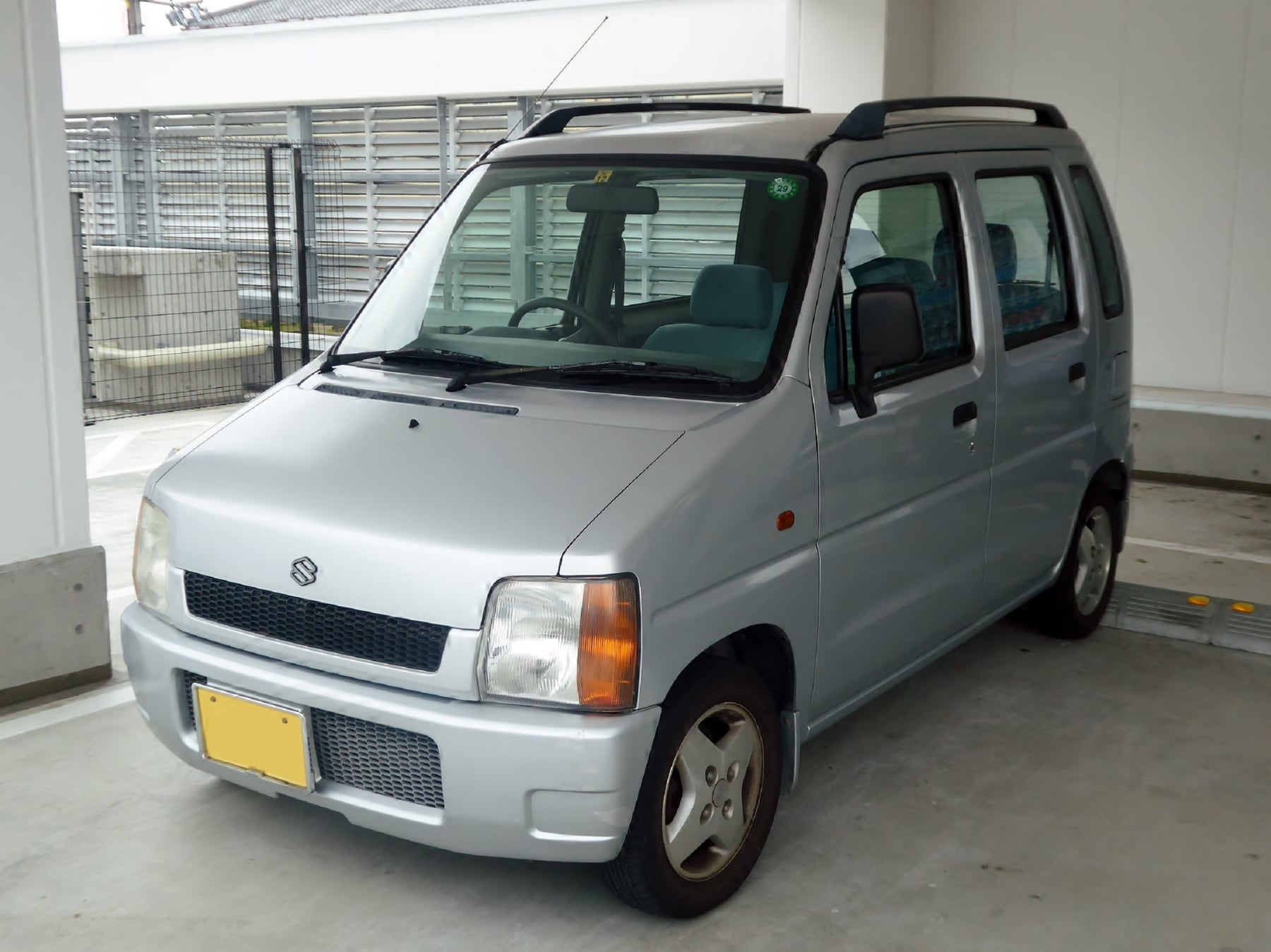
1993 Japanese Suzuki Wagon R RA CT21S 1+2-door tall kei hatchback, five-speed manual · Tokumeigakarinoaoshima · CC BY-SA 4.0
Research pending
A matching completed auction sale has not been verified for this exact year, body, trim, engine, transmission and market.
Joyride shows this gap instead of substituting an asking price, unsold bid or mismatched special vehicle.
More than a set of wheels.
Suzuki launched the Wagon R in Japan on September 3, 1993. It was a new semi-bonnet kei mini wagon, taller than a normal hatchback and shaped around passenger and luggage space. The original body used one right-side door and two left-side doors, plus the tailgate. Suzuki credits the concept with helping establish the kei tall-wagon category, and the model won the 1993-94 RJC New Car of the Year award.
Look a little closer.
The original Wagon R used one door on the right and two on the left so rear passengers usually stepped toward the curb.
Photos show an example of the model or generation. The pictured vehicle’s year, equipment, or modifications can differ from the specification described here.
A roomier car made by changing direction
Kei rules tightly limited length and width, so Suzuki looked upward. A tall roof permits more upright seats; upright seats use less fore-and-aft space for a useful leg position; and a high door opening makes entry easier. The Wagon R's innovation is geometric rather than exotic: it rearranged a tiny legal footprint into a more useful cabin.
Source: Suzuki Digital Library — Wagon R ↗Why the first door layout was asymmetric
The original body placed one side door on the right and two on the left. In Japan, passengers normally step out toward the left curb, so the extra rear door was on the safer sidewalk side. Suzuki saved the cost and weight of a fourth side door while still making the rear seat easier to reach.
Source: Suzuki Digital Library — Wagon R ↗Where these facts come from
- Suzuki Digital Library — Wagon R
- Global Suzuki — Wagon R achieves two million domestic sales
- Suzuki 1993 Wagon R period summary PDF
Selected facts checked for this edition. Some source pages link to broader model families. Last reviewed October 4, 2026.