
Ford Puma 1.7
Ford's 1997 Puma turned Fiesta-based engineering into a low four-seat coupe with a 1.7-litre engine and the company's first use of Variable Camshaft Timing.
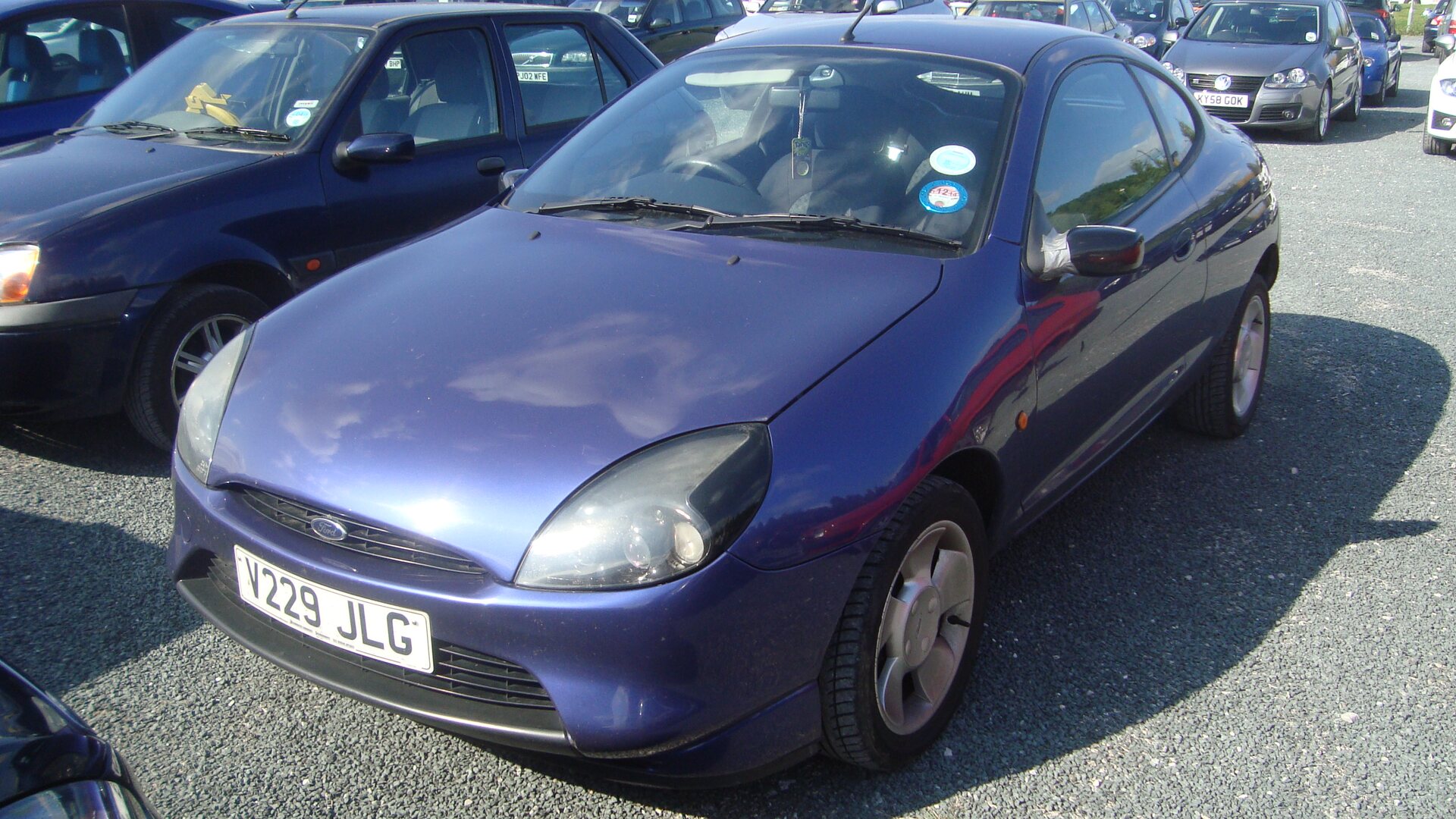
1999 Ford Puma 1.7 representative of the 1997 launch body · Kieran White · CC BY 2.0
What did this one sell for?
Make a guess, then reveal one identity-matched completed auction result. It is a comparison point, not a price promise.
Reveal the auction result
Based on a completed sale at Iconic Auctioneers, an estimated value for this vehicle is £9,000.
Why this sale: Exact 1997 UK-market right-hand-drive Ford Puma 1.7-litre coupe with manual transmission; not the later Racing Puma. 13,800 miles shown and two keepers. Ford Motorsport body kit, factory-lowered suspension, 17-inch Motorsport wheels and dual exhaust were disclosed, along with 12 service stamps and three cambelt changes.
Iconic's displayed sold result includes the 12.5% buyer's premium plus VAT (15% including VAT). Taxes, registration, transport and later work are excluded. One auction result is a reference, not an appraisal; condition, history, options, location and market timing can change value. Accepted as an exact year, market, body, engine family and manual-transmission completed sale. Its very low mileage and Ford accessory equipment are value-positive differences, so it is not presented as a typical driver-quality Puma value.
More than a set of wheels.
Ford presented the Puma in June 1997 as a compact sports coupe based on Fiesta engineering. It seated four, was built at Cologne-Niehl for Europe and introduced a 1.7-litre Zetec-SE engine with Ford's first use of Variable Camshaft Timing. Britain was one of its core markets, but the car's factory origin was Germany. This entry excludes later special editions and the Racing Puma.
Look a little closer.
The Puma was under four metres long and only 1.345 metres high, yet it still provided four seats and a luggage compartment.
Photos show an example of the model or generation. The pictured vehicle’s year, equipment, or modifications can differ from the specification described here.
Variable timing without a turbo
The Puma's 1.7 made its character differently from a turbocharged engine. Its intake-cam timing changed with operating conditions, helping the engine balance useful lower-speed behaviour with stronger breathing at higher revs. That allowed 125 PS from 1.7 litres without forced induction, while the five-speed manual kept the driver directly involved.
Source: Ford Puma technical data ↗Ordinary small-car bones, a distinct coupe
The Fiesta relationship supplied compact front-drive architecture, but Ford gave the Puma its own low coupe body and 1.7-litre VCT engine. At under four metres long and only 1.345 metres high, it emphasized compactness and response rather than a giant power figure. Shared architecture is part of its engineering story, not proof that every Fiesta detail applies.
Source: Ford presents compact sports car based on Fiesta ↗Where these facts come from
Selected facts checked for this edition. Some source pages link to broader model families. Last reviewed October 4, 2026.