
Ford E-Transit T-350 Cargo Van
Ford put a battery and rear motor beneath a familiar Transit work van so businesses could electrify without relearning the cargo box.
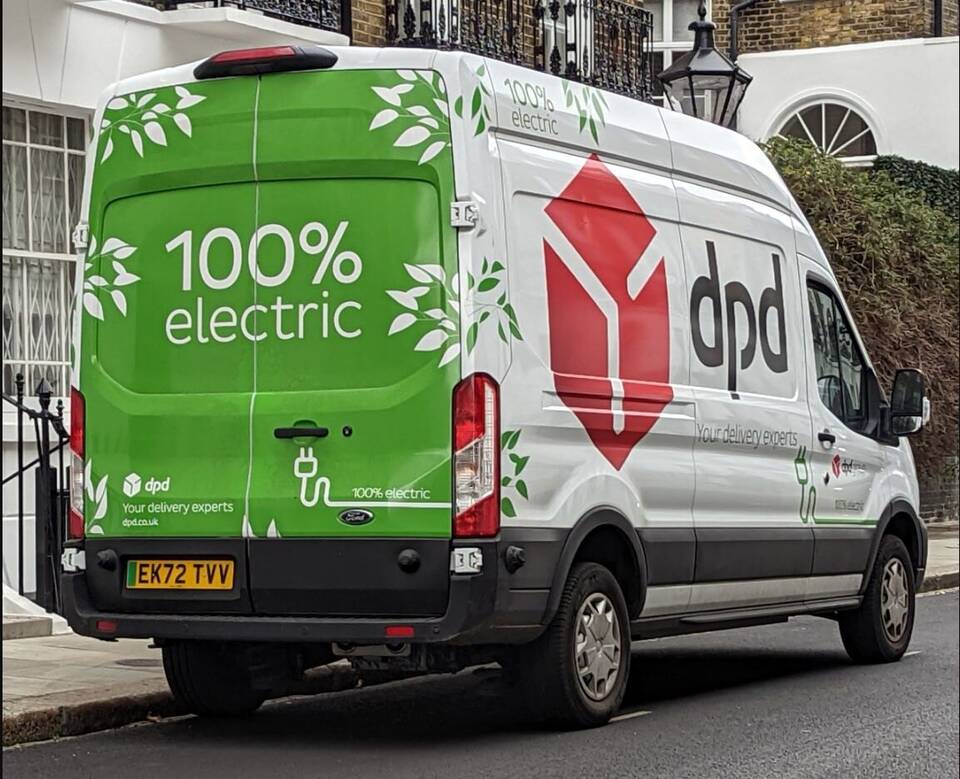
2022 Ford E-Transit 350 delivery van · Calreyn88 · CC BY-SA 4.0
Research pending
A matching completed auction sale has not been verified for this exact year, body, trim, engine, transmission and market.
Joyride shows this gap instead of substituting an asking price, unsold bid or mismatched special vehicle.
More than a set of wheels.
The 2022 E-Transit was Ford's first series-production all-electric cargo van for North America. This profile fixes the many possible bodies to the shortest low-roof T-350 cargo van. Production came from Kansas City Assembly, and Ford announced North American customer deliveries in February 2022.
Look a little closer.
Optional Pro Power Onboard could turn the van's traction battery into a 2.4 kW mobile power source for tools.
Photos show an example of the model or generation. The pictured vehicle’s year, equipment, or modifications can differ from the specification described here.
Range was sized for local work, not a road trip
Ford studied more than 30 million miles of connected-van data and said a typical commercial van in the United States travelled about 74 miles per day. The low-roof E-Transit was therefore targeted at 126 miles under the EPA medium/heavy-duty test method; payload, weather and upfits can reduce real range.
Source: Washington State DES · 2022 E-Transit vehicle specification ↗Electric hardware without surrendering the cargo floor
Ford placed the battery beneath the body and used a purpose-designed independent rear suspension. That protected the familiar flat load area and helped the van ride and steer whether empty or carrying equipment, while the rear motor left the front of the vehicle free of a conventional engine and transmission.
Source: Ford · 2022 E-Transit technical specifications ↗Where these facts come from
- Ford · 2022 E-Transit technical specifications
- Washington State DES · 2022 E-Transit vehicle specification
- Ford · North American E-Transit deliveries begin
- Ford · 2022 model-year product guide
Selected facts checked for this edition. Some source pages link to broader model families. Last reviewed September 30, 2026.