BMW R 37
Sideways cylinders, exposed mechanical parts and an ambitious new engine made the R 37 an early BMW sports motorcycle.
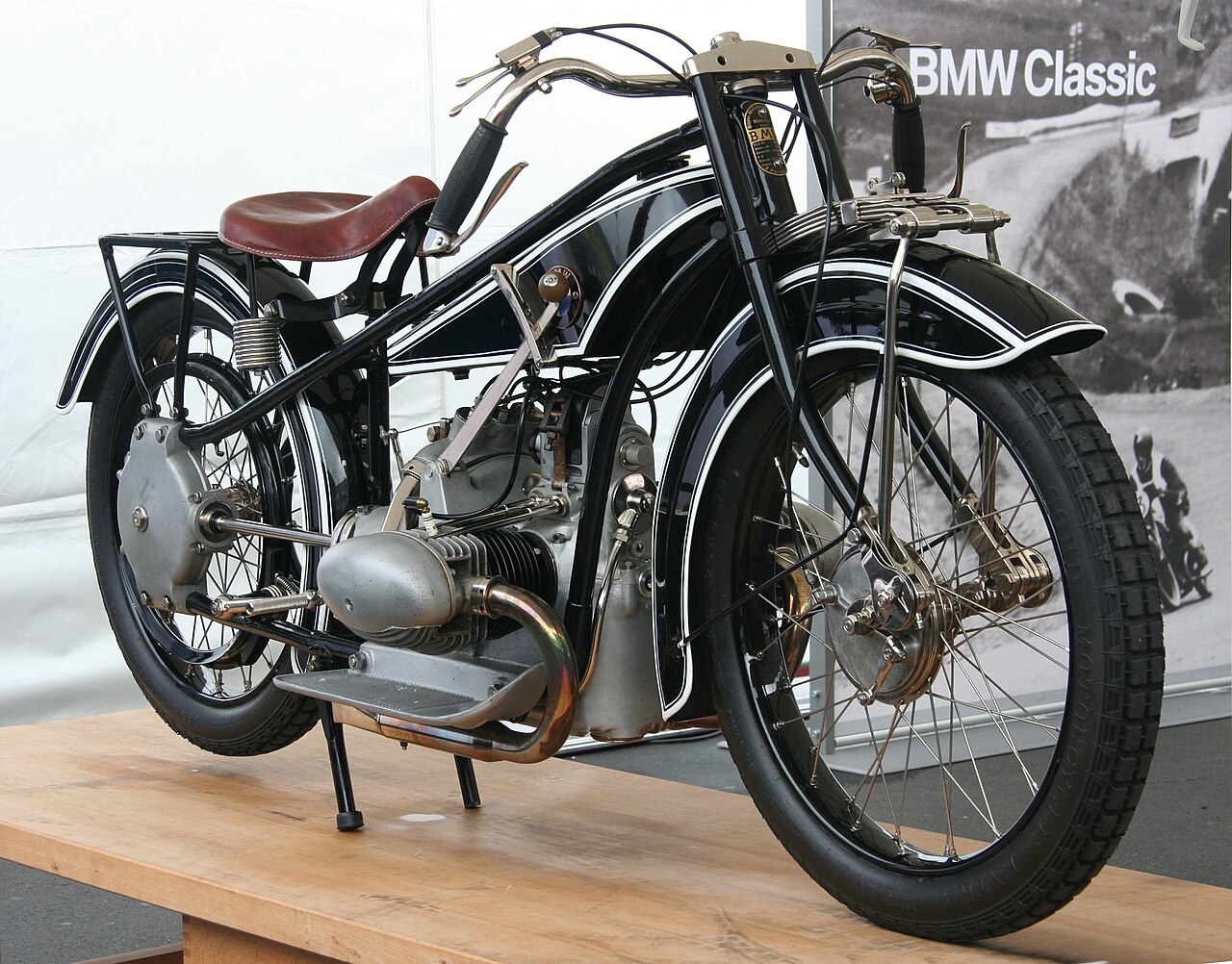
BMW R 37, Bj. 1925-26 (2011-08-13 Sp) 01.jpg · Lothar Spurzem · CC BY-SA 2.0 DE
Research pending
A matching completed auction sale has not been verified for this exact year, body, trim, engine, transmission and market.
Joyride shows this gap instead of substituting an asking price, unsold bid or mismatched special vehicle.
More than a set of wheels.
The R 37 reached private buyers in 1925 after BMW had already found racing success with its developing sports machine. It filled the performance gap above the R 32. BMW records just 152 production examples, with the high 2,900 Reichsmark price limiting its audience.
Look a little closer.
The new sports engine fitted into the R 32’s existing chassis: the biggest change was hidden inside the familiar shape.
Photos show an example of the model or generation. The pictured vehicle’s year, equipment, or modifications can differ from the specification described here.
A racer’s solution inside the cylinder head
BMW engineer and racer Rudolf Schleicher gave the engine steel cylinders and light-alloy heads with overhead valves. Moving the valves above the combustion chamber changed the engine’s breathing arrangement. The official history also highlights the enclosed aluminium heads: the R 37’s performance story involved materials and valve layout together.
Source: BMW Motorrad · 1920s ↗Racing made the name visible
BMW’s museum presents the R 37 as the starting point for its racing-motorcycle line. Success on track and in off-road competition let spectators see the young motorcycle maker’s engineering at work. The model’s story therefore includes both the expensive production motorcycle and the competition programme that helped establish BMW’s reputation.
Source: BMW Museum · BMW R 37 ↗Where these facts come from
Selected facts checked for this edition. Some source pages link to broader model families. Last reviewed 2026-10-02.