
Rumpler Tropfenwagen 10/30
An airplane engineer shaped a passenger car like a falling drop of water decades before wind-tunnel thinking became normal.
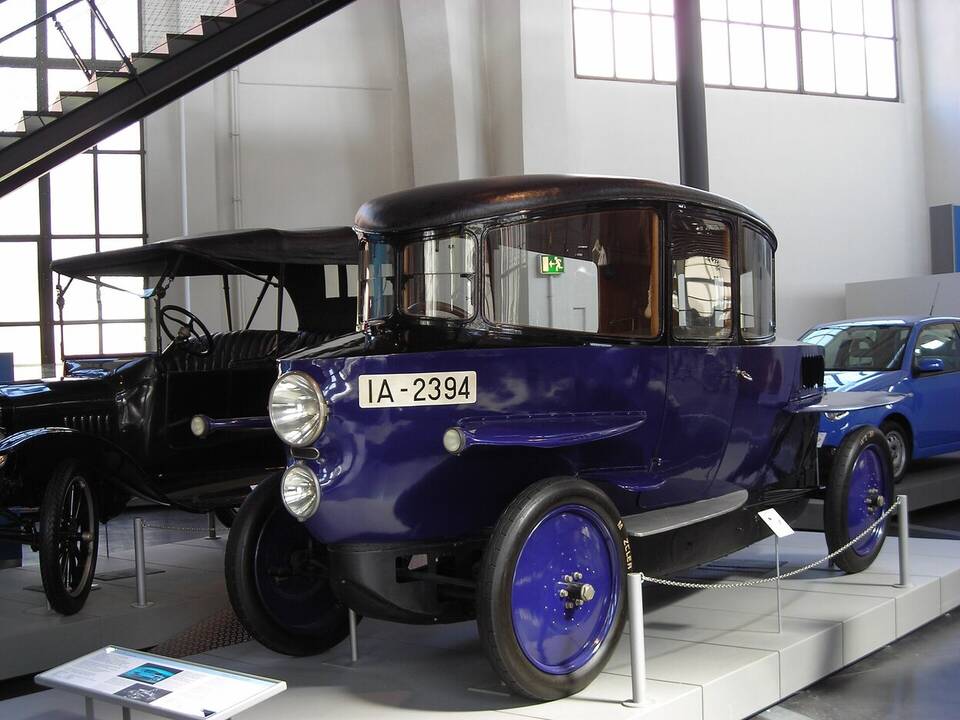
Blue Rumpler Tropfenwagen at Deutsches Museum Verkehrszentrum · Mattes · CC BY-SA 3.0
Research pending
A matching completed auction sale has not been verified for this exact year, body, trim, engine, transmission and market.
Joyride shows this gap instead of substituting an asking price, unsold bid or mismatched special vehicle.
More than a set of wheels.
Edmund Rumpler unveiled his aerodynamic idea in 1921. The surviving Deutsches Museum car is identified as a 1922 Rumpler with a 2,580 cc W-six. Its driver sat ahead of the passengers and engine, inside a body that narrowed toward the rear. Clever shape and unusual layout made history, but buyers found the car strange, its engine unsteady and its lack of a luggage boot inconvenient.
Look a little closer.
The Deutsches Museum says UFA bought the last cars; models of them were burned in Fritz Lang's futuristic film Metropolis.
Photos show an example of the model or generation. The pictured vehicle’s year, equipment, or modifications can differ from the specification described here.
The shape was the invention
Rumpler's patent describes horizontal body and chassis sections with a teardrop form. The Deutsches Museum reports a measured drag coefficient of 0.28—remarkably low even compared with many later small cars. The car was designed around airflow rather than decorating a conventional box.
Source: Deutsches Museum · Rumpler Tropfenwagen ↗Why a smart idea still failed
Rough roads gave buyers little chance to benefit from low drag, fuel economy was not yet a strong sales promise, and the body looked unfamiliar. The museum also records an unsteady-running engine and no luggage boot. Innovation solved one problem before most customers cared about it, while creating everyday compromises they noticed immediately.
Source: Deutsches Museum · Rumpler Tropfenwagen ↗Where these facts come from
- Deutsches Museum · Rumpler Tropfenwagen
- German patent DE391420C · Teardrop-shaped automobile
- Automobile-Catalog · 1922 Rumpler 10/30 technical listing
- Deutsche Biographie · Edmund Rumpler
Selected facts checked for this edition. Some source pages link to broader model families. Last reviewed September 30, 2026.